Dark Stores Are Quietly Reshaping Fulfillment Economics
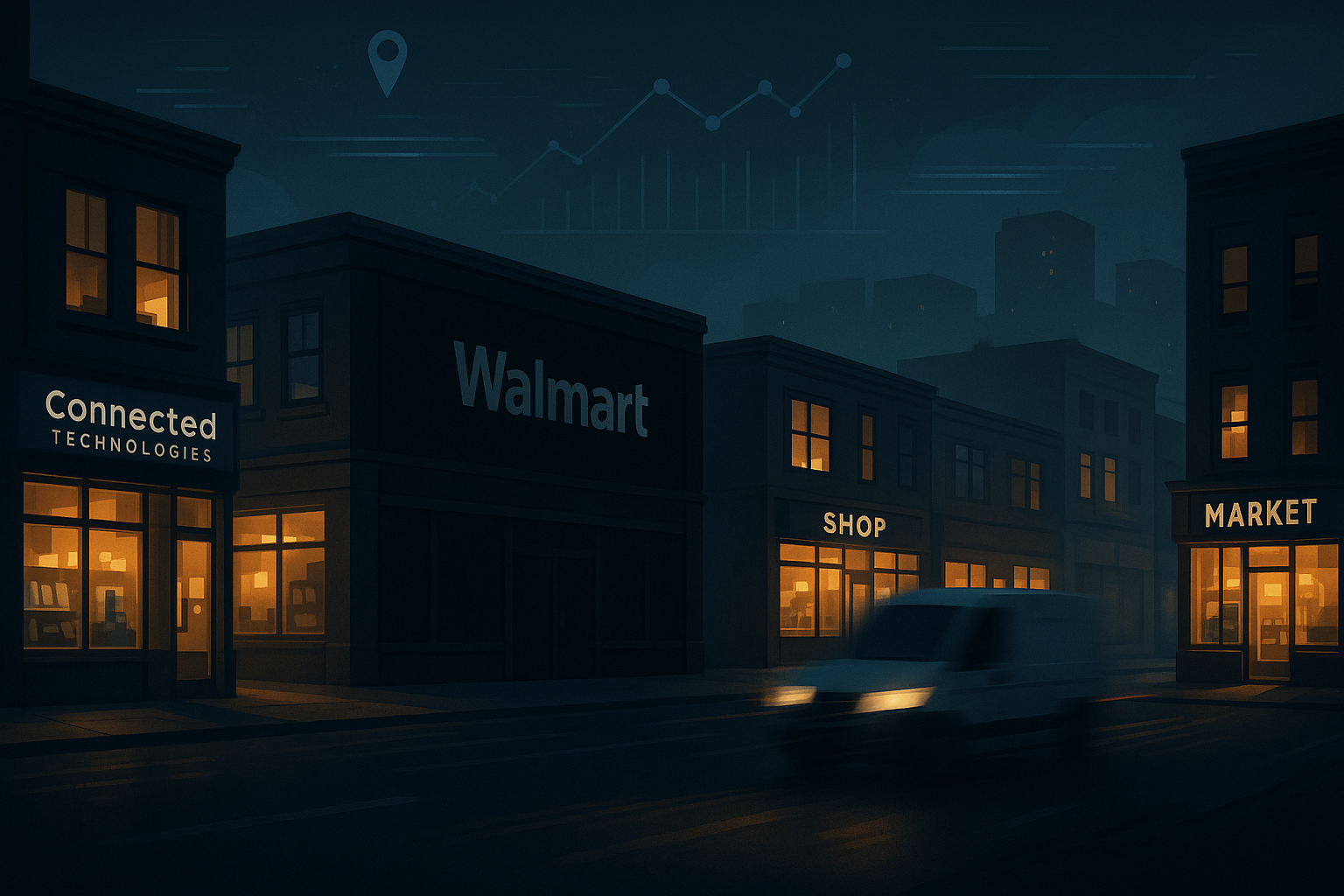
Walmart’s reactivation of dark store hubs in Dallas and Arkansas isn’t a test—it’s a strategic escalation. By reintroducing 3-hour delivery for select SKUs, they’re setting up a two-tier marketplace where speed equals visibility.
This model isn’t just for Walmart sellers. It sets a precedent for how fast-moving platforms—Amazon, TikTok Shop, Target+—may prioritize logistics-driven access in the months ahead.
Same-Day Delivery Is Becoming Table Stakes
- 3-hour delivery windows across 90% of pilot zones
- 15–25% lift in conversion for speed-qualified SKUs
- Increased review volume tied to shipping speed satisfaction
Products routed through dark stores gain a compounding advantage: faster fulfillment leads to better reviews, better reviews improve rank, and rank drives more volume—feeding the cycle. Sellers not in the fast lane are simply less visible.
What Determines Dark Store Eligibility
Walmart has been explicit about its qualifying signals. Velocity, not trend spikes, dictates inclusion:
- Consistent daily sales—not flash events
- 90%+ in-stock rates for 12+ months
- Repeat-purchase cycles inside 60 days
- Predictable demand with minimal seasonality
This is not about “going viral.” It’s about reliability. Products that can meet these thresholds are granted strategic placement and fast-lane treatment.
Why Amazon Sellers Should Pay Attention
Amazon has already conditioned its algorithms to favor FBA and Prime-qualified SKUs. If Walmart’s model succeeds, expect Amazon to follow with stricter velocity-based sorting—especially as same-day continues to expand across metro zones.
And for omnichannel sellers? The implications are bigger. Fulfillment architecture is now a competitive moat—not just a backend function.
A 3-Step Readiness Framework for Sellers
1. Run a SKU-Level Velocity Audit
- Identify your top 20% performers by daily volume
- Assess in-stock reliability and restock timing
- Model delivery margin impact under fast-fulfillment assumptions
2. Update Product Positioning for Fulfillment Speed
- Test titles and bullets with delivery-speed callouts
- Include fulfillment tier messaging in A+ content
- Use speed as a conversion lever—not just a logistics detail
3. Build Operational Resilience
- Strengthen supplier relationships for your velocity SKUs
- Create local backup fulfillment buffers
- Evaluate packaging readiness for automated fulfillment systems
Why Dallas and Arkansas Signal Rollout Strategy
These markets aren’t chosen randomly:
- Dallas – Dense metro hub with logistics overlap across Amazon, UPS, and Shopify fulfillment networks
- Arkansas – Walmart’s home turf; low-variable testing ground for system modeling
If performance holds, expect similar rollouts in Atlanta, Chicago, Phoenix, and L.A.—markets where rapid fulfillment directly correlates to volume lift.
Walmart’s Playbook Is the E-Commerce Canary
We’re seeing a larger pattern emerge. Infrastructure is being redefined as a marketplace input. Brands that optimize for consistent fulfillment and demand forecasting are positioned for visibility. Those that continue treating delivery as an afterthought will be left competing on cost alone.
Bottom Line: Speed is no longer a feature. It’s the sorting algorithm.
Retailvisor Perspective
Our experience with high-volume Amazon accounts tells us one thing: these fulfillment shifts are coming fast—and sellers who prepare early gain advantages that compound.
- Operational discipline beats promotional spikes
- SKU-level visibility begins with infrastructure alignment
- Customer expectations are accelerating platform evolution—not the other way around
Brands who reframe fulfillment as strategy—not overhead—will win the next cycle. Those who don’t will find themselves wondering why lower-converting SKUs stopped showing up at all.